Most beginner photographers charge between $25 and $100 per hour, or roughly $25 to $150 per edited image, depending on the type of shoot and where they live. For a first wedding, a fair starting rate is around $500 to $1,500 for the day; for portraits, $50 to $150 per session is typical when you’re just starting out. The right number depends on your local market, your specialty, and how much editing each job involves — here’s how to land on a price you can defend.
The most common mistake new photographers make is charging too little out of fear. Underpricing doesn’t actually win you more clients — people who hire photographers usually expect to pay for quality, and a rock-bottom price can read as “inexperienced.” Price for the value you deliver, then raise your rates as your portfolio grows. Pricing is only one piece of the puzzle — our guide on how to make money as a photographer covers the rest.
Related: Starting a Photography Business Checklist
Table of Content
Beginner Photography Rates at a Glance
Rates rise with experience and reputation. Here’s roughly how pricing scales as you move up the ladder, from beginner to elite. Use these as starting reference points, then adjust to your own city and niche.
| Experience level | Per hour | Per image |
|---|---|---|
| Beginner | $25 – $100 | $25 – $80 |
| Semi-professional | $50 – $150 | $25 – $100 |
| Professional | $75 – $250 | $40 – $110 |
| Elite / top 2% | $300 – $500+ | $200 – $3,000+ |
These ranges are for the U.S. market and vary by city — a photographer in New York or Los Angeles can charge far more than one in a small town. Always research what comparable photographers in your area charge before setting your prices.
How Valuable Is Your Photography Time?
Before you set a price, look honestly at your week. If you’re fully booked and turning work away, your prices are probably too low — raise them. If you have no inquiries at all, the problem is usually marketing or pricing that’s out of step with your portfolio, not that you’re “too expensive.”
The core principle: know who your customers are, and price for what they value. Lowering your prices rarely attracts better clients. The people who hire photographers generally have the budget and will pay extra for quality and reliability. Your real challenge is being found by the right clients — see the profitable photography archive and how photographers spend their working hours for more on that.
Pricing by Photography Type
Different specialties command very different rates. Here’s what beginners can realistically charge in the two most common starting niches.
Wedding Photography
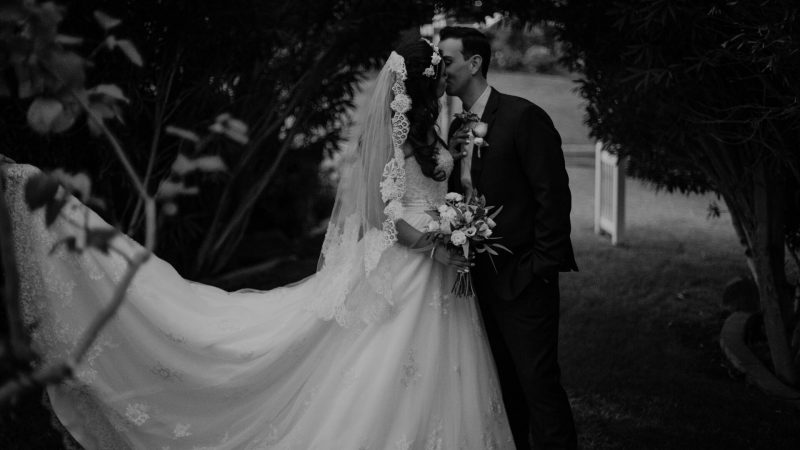
Weddings pay the most, but they’re also the highest-pressure work — there are no second chances. As a beginner, a fair price for a full wedding day is roughly $500 to $1,500. Honestly, it’s wise to second-shoot for an established photographer first; a failed wedding gig can damage your reputation with everyone who attended. Once you have a strong portfolio and proven reliability, established wedding photographers commonly earn $1,500 to $3,500+ per wedding.
Remember that the shooting day is only part of the job. A wedding involves consultation, travel, and many hours of editing afterward — factor all of it into your price, not just the hours on site.
Related: How to Get More Wedding Photography Bookings
Portrait Photography

Portraits are one of the best places for a beginner to start — lower stakes than a wedding, and steady demand from families, seniors, and small businesses. Beginners often charge $50 to $150 per session, or around $15 to $40 per edited image for high-volume work like school photos. Treat early jobs as portfolio-builders and lead generation: a family you photograph today may book you for weddings and newborn sessions for years.
Across most beginner photography types, an hourly wage of $25 to $100 and a per-image rate of $15 to $80 is a reasonable starting band. Take work that builds your portfolio and your reputation.
Related: Portrait Photography Tutorial: How to Do It the Right Way
The Photography Rates Ladder
Photographers roughly fall into four tiers — beginner, semi-professional, professional, and elite. The jump in pay between them comes far more from brand and reputation than from raw skill. The pros aren’t necessarily taking dramatically better photos than you; they’ve simply built a name, a marketing engine, and a body of work over time.
Beginner
Hourly $25–$100, per image $15–$80. It’s not much, but it covers a living and lets you reinvest in your brand. Your top priority at this stage is building a recognizable name — a strong photography business name matters more than you’d think. Aim to master two or three photography types rather than spreading yourself thin.
Semi-Professional
Hourly $50–$150, per image $25–$100. You’re climbing but not at the top. Notice the per-image rate doesn’t jump much — that model rewards effort per shot and stays profitable even early on. At this level many photographers invest in a dedicated studio space to take on more controlled work.
Related: Ideal Camera Settings for Studio Photography
Professional
Hourly $75–$250, per image $40–$110. You own a respected brand and prices become negotiable. A useful rule: when you’re consistently overbooked and struggling to finish editing on time, raise your rates. You’ll lose a few price-sensitive clients but earn the same — or more — while avoiding burnout and improving quality for the clients who stay.
Elite
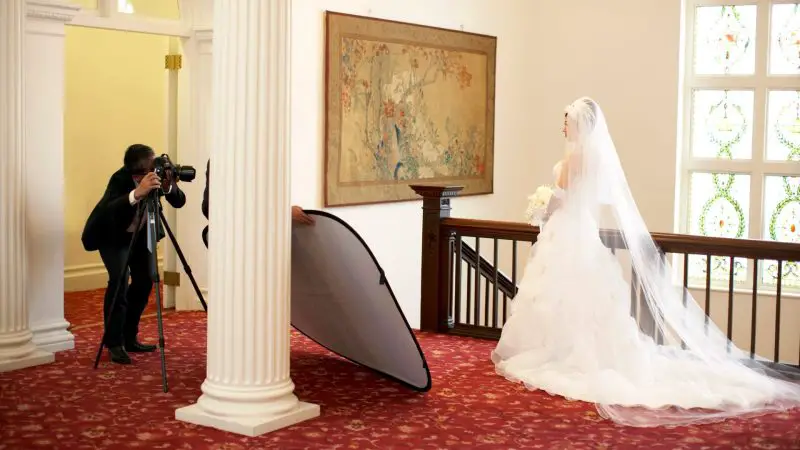
The top ~2%. They charge $300–$500+ per hour and anywhere from $200 to several thousand dollars per image, and can earn five figures from a single day’s work. Getting here takes a world-famous brand built over years (or a lucky break) — think shooting top models, celebrity weddings, or major campaigns. What separates them from you is almost entirely the brand, not the camera.
Related: How Much Money Do Photographers Make a Year?
Two Ways to Price: Per Image vs. By the Hour

There are two main pricing models, and the right one depends on the job:
- Per image — best for portrait, product, food, and architectural work, where the value is in a small number of polished, heavily edited photos. This lets you price in your post-processing time, which is why a single beginner portrait can run $15 or more per image.
- By the hour — best for events and weddings, where you’re capturing a long, unrepeatable span of time. If someone wants 20 images for a website, per-image pricing usually earns you more than hourly.
Whichever you choose, always build editing time into the price. Post-processing often takes longer than the shoot itself.
Location Changes Everything
You can’t charge the same everywhere. Rates differ between countries, and even between cities in the same country, because the cost of living and local demand differ. The figures here are mainly U.S. benchmarks. Larger cities support higher prices; smaller markets support less.
The single best thing you can do is research your local market: look at what other photographers in your city charge for comparable work, then position yourself accordingly. If you can’t find enough work locally, that’s a signal your prices may be too high — or that you need to broaden your reach.
Frequently Asked Questions
How much should a beginner photographer charge per hour?
Most beginner photographers charge $25 to $100 per hour, depending on the type of work and their local market. Per edited image, beginners typically charge $15 to $80. Start at the lower end while you build a portfolio, then raise your rates as demand grows.
How much should a beginner charge for a wedding?
A beginner can fairly charge around $500 to $1,500 for a full wedding day. Because weddings are high-pressure with no do-overs, it’s smart to second-shoot for an experienced photographer first. Established wedding photographers commonly charge $1,500 to $3,500 or more.
Should I charge per hour or per image?
Use per-image pricing for portrait, product, and food photography, where the value is in a few polished shots. Use hourly pricing for events and weddings, where you’re covering a long, unrepeatable timeframe. Always include your editing time in either model.
Is it bad to charge low prices as a beginner?
Charging too little can backfire — it rarely attracts better clients and can signal inexperience. It’s fine to price modestly while building a portfolio, but don’t undervalue your time. Raise your rates steadily as your work and reputation improve.