Quick answer: Most professional photographers work around 40 hours a week, but only part of that is spent behind the camera. A typical week splits roughly into thirds — about a third shooting, a third editing, and a third on admin, marketing, and client communication. Schedules vary widely by specialty: salaried or in-house photographers keep fairly regular hours, while wedding and event photographers often pack 40-plus hours into a single weekend.
The schedule of a photographer depends heavily on the type of photography they specialize in and whether they are employed or freelance. On paper it looks like a normal 40-hour week. In practice, the hours are irregular, the work spills into evenings and weekends, and a large share of the job has nothing to do with pressing the shutter.
If you think photography is an easy job that doesn’t require much work, think again. The actual shoot is often the shortest part of the day — some photographers wait weeks for a single perfect wildlife shot, and most spend as long editing as they do shooting.
Table of Content
How Many Hours Do Photographers Work Each Week?
A full-time photographer typically works 35 to 45 hours per week, but the distribution is the key difference from a desk job. For every hour of shooting, expect roughly an hour of editing and another spent on the business side — emails, invoicing, marketing, and meetings. Here’s how the weekly hours tend to break down by specialty:
| Photographer type | Typical schedule | Hours / week |
|---|---|---|
| Staff / in-house (corporate, media) | Regular Mon–Fri, 9–5 | ~40 |
| Wedding & event | Weekends on-site; weekdays editing & admin | 40–50+ (in bursts) |
| Portrait / studio | Booked sessions plus editing | 30–45 |
| Freelance / commercial | Highly variable; project-driven | 20–50 |
| Photojournalist / news | Irregular, deadline- and event-driven | 40–60 |
So while the headline number is “about 40,” a wedding photographer might shoot for 10 hours on a Saturday and then spend three full days editing, while a salaried product photographer keeps tidy office hours. The total is similar; the rhythm is completely different.
What Does a Photographer Do on a Typical Day?
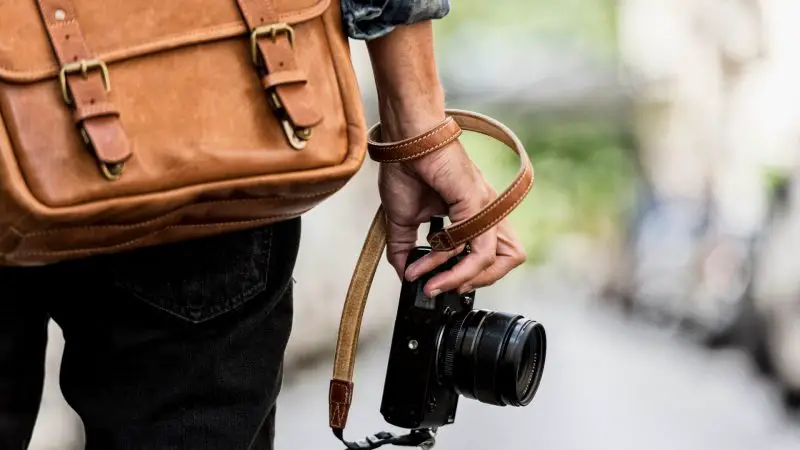
What fills a photographer’s day depends on the type of work, but a few tasks are nearly universal.
Marketing and admin. If you are a freelancer without an agent, a big chunk of the day goes to finding work — running social profiles, updating your website, and answering clients. Photographers just starting out often spend 2–3 hours a day on this alone.
Client prep. If you work with people — portrait or wedding photography — you’ll meet clients before the shoot to learn what they want and don’t want. Every photographer who works with people is also part-time psychologist.
The shoot. Whatever the genre, you’ll usually haul bulky, heavy equipment — a camera alone is rarely enough. Studio photographers skip the weightlifting but still spend time setting the scene and moving lights.
Editing. Once the shoot ends, the job isn’t over — this is where post-processing begins. Most photographers confirm that editing takes as long as the shooting itself, and sometimes longer. You might spend days at the computer, which is why a good editing program and solid computer skills matter as much as your eye.
Related: How Long Should a Photography Session Last? · Outsourcing Photo Editing Services for Photographers
What Are a Photographer’s Working Conditions Like?
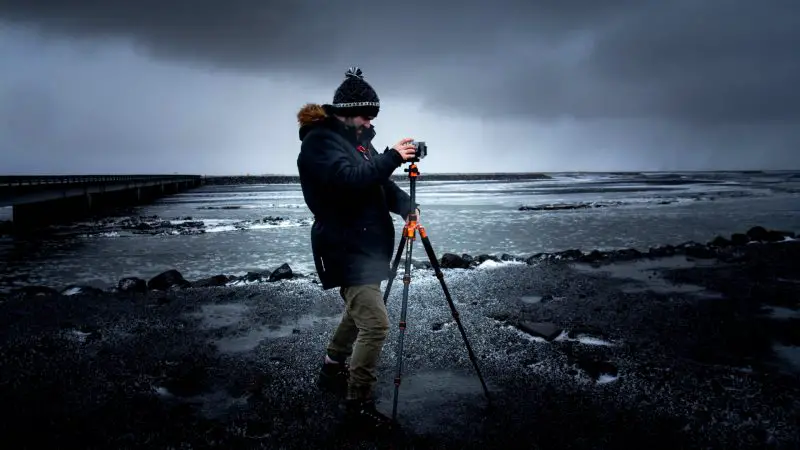
No matter the specialty, you have to be ready to work in any weather. Even portrait photographers sometimes shoot in pouring rain — and the most striking shots often come from those conditions. Eating schedules can be irregular, and a long day may pass without a proper meal.
News and documentary photographers face the toughest conditions, working under strict deadlines and sometimes in dangerous places, covering natural disasters or armed conflict. Travel photographers may walk miles with heavy gear to reach a location, and commercial and news photographers can spend long hours simply waiting for the right moment. To become a professional photographer you need to be physically fit, patient, and undemanding about your surroundings.
Related: 9 Myths About the Photography Business You Can’t Afford to Believe
How Much Do Photographers Earn Per Hour?

Pay depends on your specialty, reputation, and experience — the bigger your name and the longer you’ve been working, the more you earn. Fashion, commercial, and wedding photographers tend to sit near the top of the earnings list.
According to the U.S. Bureau of Labor Statistics, the median wage for photographers is about $20 an hour, or roughly $40,000 a year — though the range is enormous. Beginners may earn far less, while established commercial and wedding photographers can charge several hundred dollars an hour or thousands per project. Photographers are often paid per project or per image rather than strictly by the hour, so a single great shot can be worth far more than the time it took to capture.
At the very top, fine-art prints sell for life-changing sums: individual photographs have sold at auction for millions. In November 2011, Andreas Gursky’s Rhein II sold for about $4.3 million. Whether you work for a company on salary or freelance, a freelancer’s income ultimately depends on how many clients you can find.
Related: What Is the Most Profitable Photography Niche? · Ways to Make Money as a Photographer
What Are a Photographer’s Main Expenses?

A professional photographer reinvests much of what they earn back into the business:
- Equipment is the number-one cost — cameras, lenses, and lighting. Studio photographers also pay for the studio space and sets.
- Editing software and a capable computer are non-negotiable today — budget for an ongoing subscription to a photo editing program.
- Marketing — social media and online ads — is a recurring monthly cost.
- Your portfolio — a polished portfolio website or printed book is one of the first things worth investing in.
Related: How Much Does It Cost to Start a Photography Business?
The bottom line: photography is roughly a 40-hour-a-week job, but it’s spread across shooting, editing, and running a business — often at irregular hours and on weekends. It’s a misconception that the work is easy; it takes dedication, patience, and stamina. If it still feels like your calling, go for it — and who knows, maybe one day a photo of yours will sell at auction.
Related: 23 Photography Quotes That Will Give You Hope
Frequently Asked Questions
How many hours a week do photographers work?
Most full-time photographers work around 35 to 45 hours a week. Only part of that is spent shooting — the rest goes to editing (often as much time as the shoot itself) and to admin, marketing, and client communication.
Do photographers work full time?
Many do, but a large share work freelance or part time. Staff and in-house photographers keep regular full-time schedules, while freelancers, wedding, and event photographers have irregular hours that surge around bookings and deadlines.
Do photographers work weekends?
Often, yes. Wedding, event, and portrait photographers do most of their shooting on weekends because that’s when clients are available, then edit during the week. News and travel photographers work whenever the story or the light requires.
How much of a photographer’s time is spent editing?
Roughly the same amount as shooting, and frequently more. A single wedding or commercial shoot can take several days of post-processing — culling, color correcting, and retouching — for every day spent with the camera.