Macro Photography: A Beginner’s Guide to the Small World
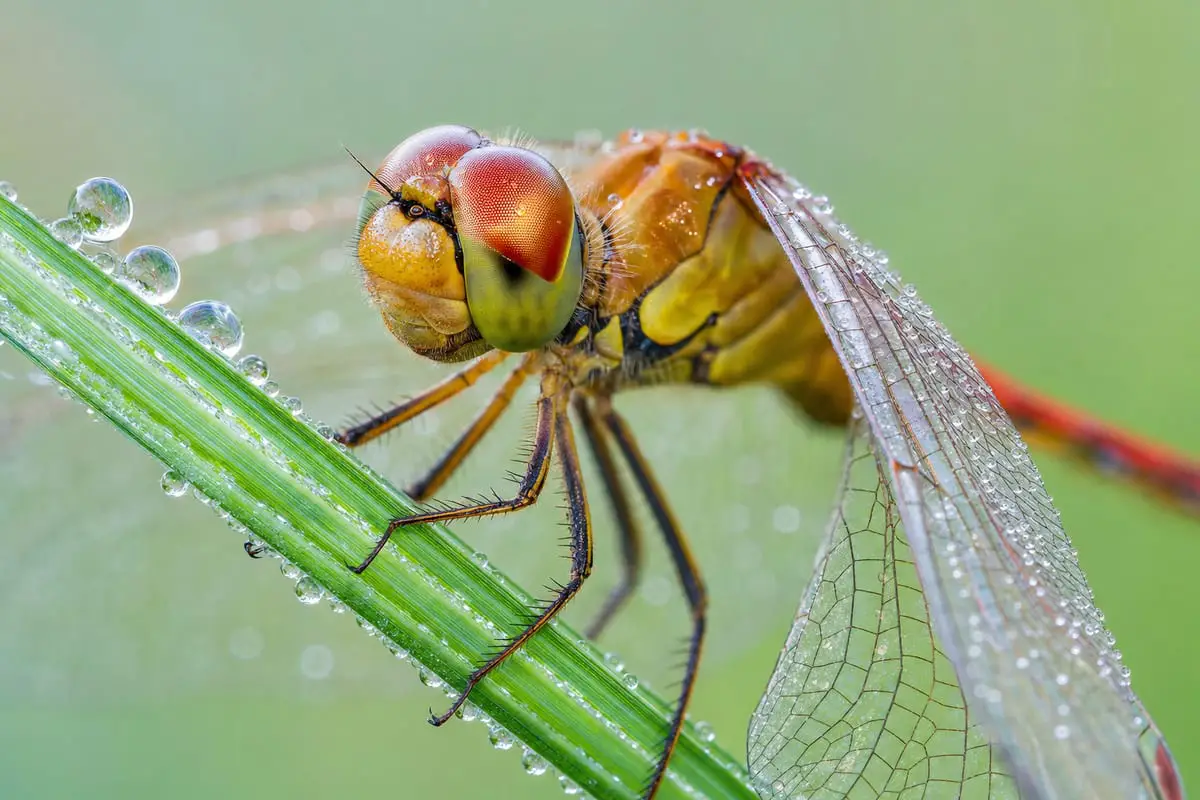
Macro photography explained: what 1:1 magnification means, the gear (and cheap alternatives), why depth of field is so shallow, and how to focus and light tiny subjects.
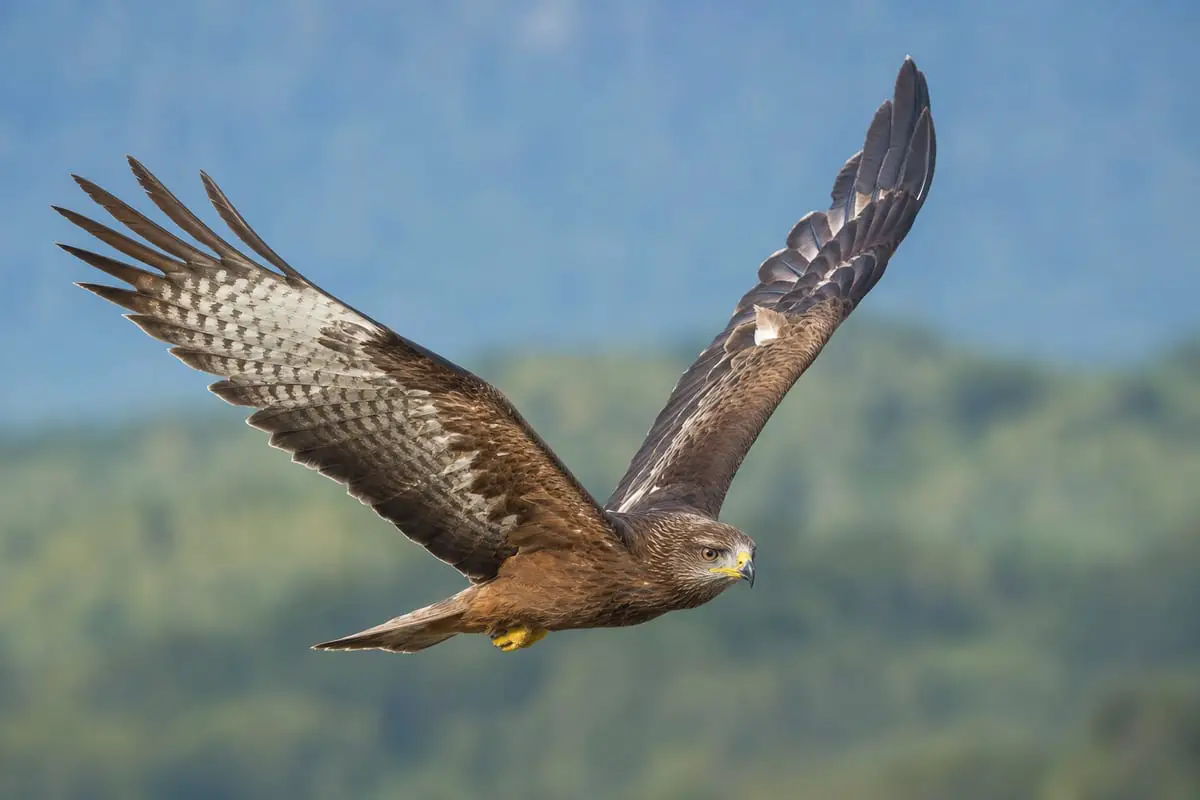
A beginner’s guide to wildlife photography: the telephoto lens you need, settings that freeze the action, fieldcraft to get close, and the ethics that come first.
Landscape photography made simple: the gear that matters, the best light, the camera settings for front-to-back sharpness, and composition that creates depth.
The wrong focus mode is the top cause of blurry photos. Learn single vs continuous autofocus, AF area modes, when to use manual focus, and back-button focus.
Metering is how your camera measures light. Learn the metering modes, why snow comes out gray, how exposure compensation fixes it, and how to read the histogram.
A complete guide to the types of photography — 25+ genres and styles grouped by subject, what each one involves, how beginner-friendly it is, and a full how-to guide for every one.
Bokeh is the quality of the blur in your out-of-focus areas. Learn what it really is, how it differs from depth of field, how to get more of it, and good vs bad bokeh.
A strong foreground gives a flat photo real depth. Learn what foreground interest is, the three layers of an image, and the settings that keep everything sharp.
Implied lines are lines the eye draws even though nothing is physically there. Learn the types, why they work, and how they differ from leading lines.
Filling the frame means getting your subject to take up most of the picture. Here’s what it means, why it works, how to do it well, and when to use negative space instead.