Freelancing continues to grow year after year, and photography remains one of the most common freelance careers. You don’t need to be employed by a company to develop your creative voice — you need determination, craft, and a plan.
Before you jump in, it’s useful to understand the day-to-day realities of freelance work. There are practical steps and habits that make the difference between a short-lived hobby and a sustainable business. This article walks through those essentials so you can begin with fewer surprises and more confidence.
So, how to become a freelance photographer? To build a profitable freelance photography business you need more than technical skill. Start by creating a simple website that showcases your work. Decide which photography niches you want to focus on, because some areas require credentials or special permissions. In freelancing, the client matters most — practice business conversations, learn to assess client needs, and find balance between self-critique and confidence. Below we cover the core pieces: choosing a niche, the gear you’ll actually need, how to price work, contracts and taxes, and practical first steps to get your first clients.
From this article you will learn the basics of becoming a freelance photographer and can explore what type of photography you want to excel. The freelance market is competitive, so invest time into the fundamentals: portfolio, communication, and systems. Ready? Let’s begin.
Table of Content
Getting started — a compact checklist
If you want a quick set of steps to follow, start here. These are practical, actionable items to get you from thinking about freelancing to taking your first paid job.
-
Choose a primary niche (e.g., weddings, ecommerce, property).
-
Buy or borrow basic gear (see niche checklists below).
-
Create a simple portfolio website or an online gallery.
-
Set a basic price list and payment terms.
-
Draft a contract template you can reuse.
-
Register on one freelance marketplace and one social platform.
-
Prepare 6–12 sample images that show your best work.
-
Plan how you’ll track income and invoices.
And if you want a short, focused 30-day plan to hit the ground running, see the “First 30 Days” roadmap after the equipment and niche sections.
What Is a Freelance Photographer?

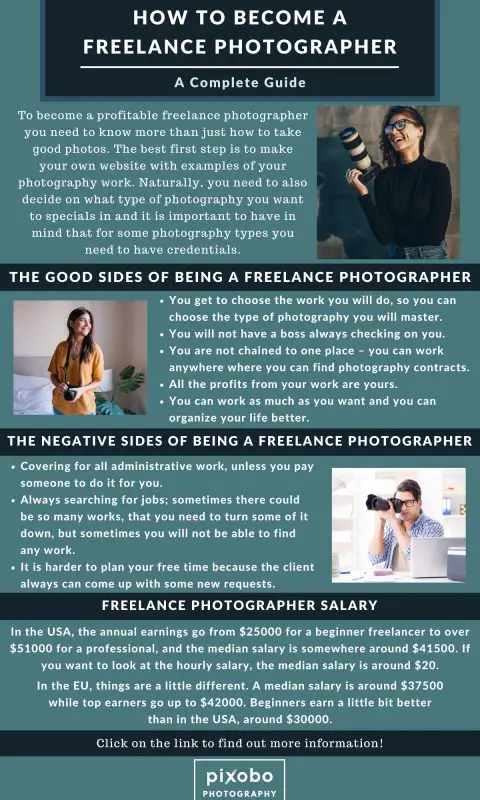
Working as a freelance photographer means you are an independent contractor: you find clients, negotiate terms, perform shoots, deliver images, and manage billing. Unlike an employee, you handle administrative duties like marketing, tax reporting, and client acquisition — and you keep the upside when business is good.
There are trade-offs. Employees get predictable income and fewer administrative tasks. Freelancers trade that predictability for flexibility: you can choose projects, set your schedule, and scale your work — but you must also manage the dry spells and the paperwork.
The advantages of freelancing
-
You are not supervised day-to-day by a boss.
-
You can work from anywhere you can find photography contracts.
-
You keep the profits you earn.
-
You decide how much work you take on and how to organize your time.
The drawbacks to be realistic about
-
You handle all administration unless you outsource it.
-
Income can be inconsistent — periods of feast and famine are common.
-
Clients can request last-minute changes, which complicates scheduling.
Choose the path that fits your lifestyle. If you want stability and fewer business tasks, employment may suit you. If you want creative control and autonomy, freelancing can be rewarding — but it requires systems.
Related: How to Make Money Taking Pictures for Companies?
Freelance Photographer Salary: How Much Do Freelance Photographers Make?

One common question is, how much can freelance photographers earn? Salaries vary widely by experience, niche, location, and how much business you bring in.
For orientation only: recent aggregated estimates (no single public source) place beginner annual earnings in the USA near $25,000, median around $41,500, and higher-earning freelancers above $51,000. Hourly medians in those aggregates fall near $20. In the EU, the same aggregation suggests a median closer to $37,500 and top earners around $42,000, with beginners often near $30,000. Treat these numbers as approximate ranges rather than guaranteed incomes — local market conditions, cost of living, and niche demand matter most.
What determines where you fall in those ranges? Your portfolio, client base, niche (weddings and commercial work usually pay more than hobbyist portraiture), pricing strategy, and business acumen. If you’re an amateur, expect to invest time in learning and building a reputation before commanding higher rates. Even if you have formal photography education, survey your local market and test rates to find the right positioning. You still need to position yourself on the freelance market.
Becoming a Freelance Photographer – A Detailed Guide

Whether you’re experienced or just starting, there are shared rules and routines that successful freelancers follow. The hardest part is often getting the first paid job; after that, momentum builds.
Be patient. Expect rejections. Keep shooting, improving, and showing work publicly — results follow persistence.
Communication is as important as craft. If English is not your first language, improve conversational English for client calls and written proposals. Practical steps: enroll in a short conversational course, use templated emails, and role-play discovery calls with a friend or mentor to build confidence.
Also learn how to draw clients — be available, responsive, and pleasant to work with. Early on you may accept lower pay to build a portfolio, but keep clear limits and a plan to raise rates as you gain experience. Occasionally working for less can be strategic if it’s part of a plan to reach paying clients.
Freelancing sometimes means working evenings, weekends, or holidays. Build boundaries and pricing that compensate you for inconvenient hours. For a realistic picture of the workload, see our guide on how many hours photographers work.
Next, we outline common niches and provide concise, consistent equipment checklists, pros/cons notes, and portfolio suggestions to help you choose where to focus.
• Freelance Ecommerce Photographer
Product photography must clearly show the product and sell it. Image quality, lighting, and consistent presentation matter more than flashy composition.
-
Recommended gear: camera (DSLR or mirrorless), 50mm or 24–70mm standard zoom, macro lens (for small products), continuous LED lighting or softbox, tripod.
-
Portfolio tips: 10–20 images mixing isolated product shots and styled context images, include captions with product type and shoot date.
-
Difficulty/pros-cons: Moderate technical setup; steady demand from ecommerce sellers but competitive pricing.
• Freelance Property Photographer

-
Recommended gear: camera (bracketing and flash trigger capable), wide-angle lens (16–35mm or similar), sturdy tripod, wireless flash or speedlight.
-
Portfolio tips: 12–18 images per property sample, show 1–2 key interior hero shots per room, exterior shots up to 5 as needed; include captions with room type and shoot date.
-
Difficulty/pros-cons: Lower barrier to entry for equipment; attention to composition and verticals is essential. Good local demand, often steady repeat work from realtors.
Technique note: avoid excessive tilt in camera angle — correct framing at the shoot saves time in post.
• Freelance Event Photographer
-
Recommended gear: fast camera body (good high-ISO performance), 24–70mm and 70–200mm lenses, one or two speedlights, backup camera, light tripod/monopod.
-
Portfolio tips: 15–20 images that show coverage (wide scenes, candid moments, key portraits); include captions with event type and date.
-
Difficulty/pros-cons: High energy and time-sensitive; good pay for corporate events and weddings, but requires strong people skills.
• Freelance Food Photographer

-
Recommended gear: camera (DSLR or mirrorless), 50mm or 100mm macro lens, reflectors, continuous or diffused natural light setup, tripod.
-
Portfolio tips: 12–20 images showing plated dishes, styled scenes, and close-detail shots; include brief captions describing lighting and styling choices.
-
Difficulty/pros-cons: Requires styling and patience; clients often expect high-resolution retouching and attention to color accuracy.
• Freelance Wedding Photographer
-
Recommended gear: two camera bodies for backups, 24–70mm and 70–200mm lenses, one fast prime for low-light (e.g., 50mm f/1.8 or 35mm f/1.4), multiple speedlights.
-
Portfolio tips: 20–25 images per wedding sample that include ceremony, portraits, and candid moments; label images with role and date.
-
Difficulty/pros-cons: High demand and higher rates, but long hours and significant on-the-day pressure. Great for those who enjoy storytelling and people.
If possible, assist an established wedding photographer to learn workflow and client handling. An online portfolio is a primary lead source. Your online portfolio will bring the majority of your clients.
Related: What Should a Photographer Wear to a Wedding: Tips & Guide
• Freelance Interior Photographer
-
Recommended gear: camera with good dynamic range, wide-angle lens, tripod, off-camera flash or LED panels.
-
Portfolio tips: 10–20 images showing room layouts and details; include captions with room type and shoot date.
-
Difficulty/pros-cons: Needs an eye for lines and detail; steady demand from designers and property managers.
• Freelance Journalist / Photojournalist
-
Recommended gear: fast camera body with good autofocus and high-ISO performance, 24–70mm and a 70–200mm or 35mm prime for run-and-gun situations.
-
Portfolio tips: 10–20 images with clear captions that tell the story (who, what, where, when).
-
Difficulty/pros-cons: High-pressure, sometimes dangerous work; requires quick judgement and strong ethical awareness. Great for storytellers.
• Freelance Nature Photographer
-
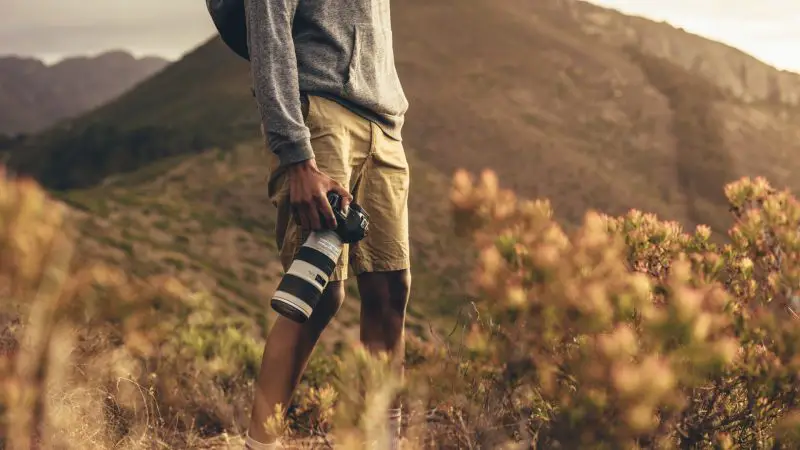
Recommended gear: DSLR or mirrorless body capable of high frame rates, telephoto lens (e.g., 100–400mm or 150–600mm), sturdy tripod or monopod.
-
Portfolio tips: 12–20 images showing wildlife or landscapes, include metadata such as location and date.
-
Difficulty/pros-cons: Steep learning curve and sometimes costly travel; rewards include magazine or print sales and commissions.
Freelance Photographer Contract: Do You Need to Have It?
Yes — a written contract protects you and your client. Contracts set expectations, reduce disputes, and make late or missed payments easier to resolve.
Essential clauses to include (use as a checklist for your template):
-
Scope of work: clear description of services and shoot details.
-
Deliverables: number and format of images, resolution, color space, deliverable method, and delivery date.
-
Payment terms: total fee, deposit amount and due date, final payment schedule, accepted payment methods.
-
Timeline and milestones: dates for shoots, drafts, revisions, and final delivery.
-
Usage and copyright: who owns the images and what licenses are granted (commercial, editorial, exclusivity, duration).
-
Cancellation and rescheduling: fees, notice periods, and refund conditions.
-
Liability and indemnity: limits on liability and responsibilities for equipment or venue issues.
-
Dispute resolution: governing law, mediation or arbitration steps, and jurisdiction.
-
Model/property releases: requirement to secure releases where necessary or who is responsible for them.
Having a reusable contract template saves time and prevents costly misunderstandings. For a new client, send the contract early in the process, and require a signed deposit to secure booking.
Freelance Photographer Credentials: Do You Need to Have Them?
Some assignments require credentials. For example, access to sports events, concerts, or press areas often requires media credentials or press passes. Sports events and concert press areas usually check credentials; your portfolio and prior work help you obtain these.
Start small to build the necessary body of work: assist established photographers, photograph local events, and make contacts at organizations that run the bigger events. Build up your portfolio and keep lines of communication open with local press contacts.
Best Freelance Websites for Photographers

Use marketplaces and platforms to find work and license images. Popular, well-known places include:
After you have a good portfolio, invest in your own website to present work and capture client inquiries directly.
Related: 17 Best Websites to Sell Your Photography (With Tips on Most Profitable Photos to Sell!)
Best Freelance Photographer Apps
Apps can help you show work, manage clients, and control your camera. For showcasing, consider:
For technical assistance and to get the most from your gear, try:
-
Photo tools – manually set aperture, shutter and ISO values.
-
Light meter tools – helps you measure exposure accurately.
-
DSLR Controller – remote control and tethering options for supported cameras.
Freelance Photographer Price List
Below are typical price ranges for common photography services. These are averages and not guarantees — use them as starting points and adjust based on the factors listed after the price list.
-
Wedding photographer: $1,500 – $3,500
-
Event photography: $500 – $1,000
-
Family photoshoot: $145 – $500
-
Business photography: $400 – $600
-
Lifestyle photography: $150 – $370
-
Nature photography: $200 – $500
-
Pet photography: $150 – $300
How to set your own prices — quick guide: prices depend on four main factors:
-
Time: hours spent shooting + editing, including pre- and post-work.
-
Deliverables: number of final images, file types, retouching level.
-
Usage: where and how the client will use the images (personal use vs. commercial licensing).
-
Costs and location: travel, helper fees, gear depreciation, and local market rates.
Simple example formula (hypothetical): hourly rate × estimated hours + usage fee = project price. So if your hourly rate is $50 and you estimate 6 hours of work, plus a $100 usage fee, total = $50 × 6 + $100 = $400. Adjust by experience and market demand.
Do Freelance Photographers Pay Taxes?
Yes. In many countries (including the U.S.), freelance photographers are treated as self-employed and must report income and pay any applicable taxes. The specific rules vary by jurisdiction; check your local tax authority or consult an accountant for the exact obligations where you live.
Practical next steps for tax and records management:
-
Track every invoice and payment — keep digital copies.
-
Open a separate bank account for business income and expenses.
-
Save a percentage of each payment for taxes (a common suggestion is 20–30%, but this depends on your tax bracket and local rules).
-
Keep receipts for deductible expenses (equipment, travel, subscriptions) and use simple bookkeeping tools or hire a bookkeeper/accountant.
-
Consult your local tax authority or a tax professional early — they can tell you required filings and deadlines.
Following these steps will reduce surprises and make tax season manageable.
Tips for Freelance Photographers

There’s a lot to learn. Here are focused tips that help your business and your craft.
• Be honest about your work
Assess your images critically. Ask for feedback from trusted peers and use critiques to improve. Don’t let a few negative comments derail progress — use them constructively.
• Search for inspiration — but protect your voice
Study other photographers for technique and composition, but avoid copying. Develop a recognizable style by experimenting and keeping what works for you.
• Build and maintain your network
Stay in touch with clients; ask for references and reviews. Reliable service and good communication often lead to repeat work and referrals.
• Improve communication with clients
Communication is the key to every successful freelancer. Concrete actions: create templated client emails for inquiries, proposals, and follow-ups; rehearse discovery calls; and use a short intake form to capture client needs before a shoot.
• Devote time to learning new techniques
Practice outside the classroom. If you want better landscape photography, plan a weekend field session and test different light conditions — then review and iterate.
Client acquisition: where to focus first
Three channels give the best early payoff for most photographers. Pick one of each and focus:
-
Marketplaces: create a strong profile on one site (e.g., Upwork). Starter tactic: optimize your headline and include 6–10 portfolio images with captions.
-
Networking: attend local meetups or approach small businesses (cafes, boutiques, realtors). Starter tactic: offer a discounted sample shoot in exchange for a testimonial.
-
Referrals: ask happy clients for introductions. Starter tactic: send a short follow-up email after delivery asking for a review and offering a referral discount.
Top Freelance Photographers (inspiration)
There are many successful freelance photographers worth studying:
-
Martin Schoeller – award-winning portrait photographer
-
Brian Lehmann – a great photojournalist
-
Mathias Haker – photographer focused on architecture
-
Dustin Vaughn – Luma – street photography enthusiast.
First 30 Days: a practical roadmap
Use this 30-day plan to turn intent into action. It’s compact and focused.
-
Days 1–3: Choose a niche and list 6–12 ideas for portfolio shots.
-
Days 4–7: Secure basic gear (borrow if needed) and plan 3 sample shoots.
-
Week 2: Shoot portfolio images and edit a selection of 10–20 best photos.
-
Week 3: Build a simple portfolio page or gallery and create a price sheet and contract template.
-
Week 4: Register on one marketplace, create social profiles, and contact 10 potential local clients (email or visit). Offer a discounted sample shoot if appropriate.
-
End of month: Review what worked, update your portfolio, and set two specific goals for month two.
Summary
Freelance photography can be a rewarding career, but it requires more than taking good images. You’ll need to combine craft with client-facing skills, reliable processes (contracts, invoices, tax records), and steady marketing.
Start small, be consistent, and iterate. If you bring curiosity, discipline, and the willingness to learn business skills alongside photography, you’ll increase your chances of building a sustainable freelance practice.
Related: How to Start a Photography Business