
Quick answer: Lines are the photography element that guides where a viewer looks. Horizontal lines feel calm, vertical lines feel strong, and diagonal lines feel dynamic and full of energy. The most powerful use of all is the leading line — a line like a road, fence, or river that draws the eye straight to your subject. Position lines so they point toward what matters, never out of the frame.
Lines are arguably the most powerful of all the elements of photography. They’re everywhere — roads, horizons, shadows, the edge of a building, the curve of a river — and once you learn to see them, you gain a direct way to control your viewer’s eye. A well-placed line is like a set of instructions telling the viewer, “look here.”
This guide breaks down the types of lines and the feelings they create, then digs into leading lines (the technique you’ll use most), how to combine lines with composition, and the common mistakes that trip beginners up.
Table of Content
What Are Lines in Photography?
A line is a one-dimensional mark that the eye follows from one point to another. In a photograph, lines aren’t usually drawn — they’re found. The edge where the sea meets the sky is a line. So is a fence, a row of trees, a beam of light, or even the direction a person is looking. Lines connect the different parts of an image and give the viewer’s eye a path to travel.
Lines also combine to create other elements: lines form shapes and forms, which is why learning to see lines is the foundation of good composition.
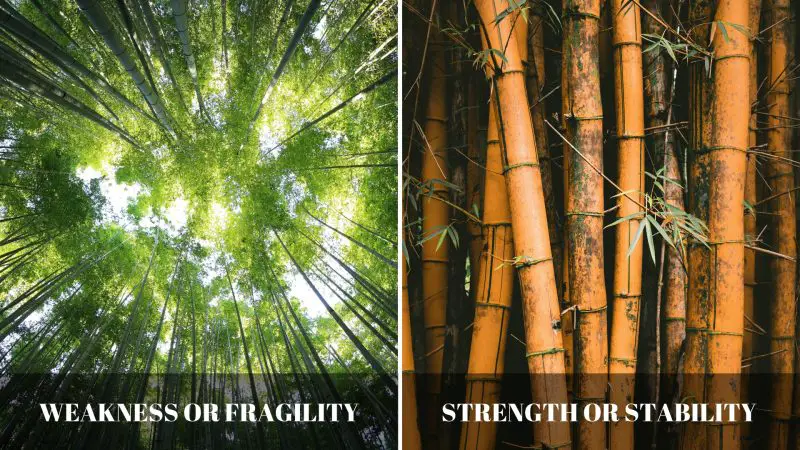
Types of Lines and What They Convey
Different lines carry different emotional weight. Knowing what each type “says” lets you match your lines to the mood you want:
| Line type | What it conveys | Where you’ll find it |
|---|---|---|
| Horizontal | Calm, rest, stability, peace | Horizons, oceans, lying figures |
| Vertical | Strength, power, growth, dignity | Trees, skyscrapers, columns, standing people |
| Diagonal | Energy, movement, tension, dynamism | Roads, staircases, slopes, leaning objects |
| Curved | Grace, flow, calm, sensuality | Rivers, winding paths, the human body |
| Converging | Depth, distance, a vanishing point | Railway tracks, hallways, rows of trees |
Diagonal and converging lines are the most dynamic and full of movement because they don’t sit still — they pull the eye across and into the frame, creating a strong sense of depth and energy. That’s why a photo of a road shot straight on feels far more powerful than the same road shot from the side.

Leading Lines: The Most Powerful Technique
A leading line is a line in your scene that guides the viewer’s eye toward your main subject or into the depth of the image. It’s the single most useful thing you can do with lines, and it instantly makes photos look more intentional and professional. Lines don’t even have to be physical — a subject’s gaze or a pointing gesture creates implied lines that guide the eye just as effectively.
The classic examples are everywhere once you look: a road or path stretching toward a mountain, a river winding to a waterfall, a fence running to a barn, railway tracks vanishing into the distance, or a shadow pointing at a figure. To use leading lines well:
Start the line near a corner of the frame — usually a bottom corner — so it leads the eye in from the edge.
End the line on your subject. The whole point is that the line delivers the eye somewhere worth arriving.
Get low and shoot wide. A low angle with a wide lens exaggerates the line and makes it feel like it’s rushing into the scene.
Look for natural convergence. Parallel lines (like tracks or a hallway) appear to meet in the distance, which creates a strong vanishing point that draws the eye deep into the photo.
Combining Lines With Composition
Lines work hand in hand with the other tools of composition. A few reliable combinations:
Lines + the rule of thirds: place a leading line so it ends at one of the rule-of-thirds intersection points, where you’ve positioned your subject.
Lines for framing: lines can box in your subject — an archway, a window, or overhanging branches act as a natural frame. Our guide to framing in photography goes deeper on this.
Keep your horizon straight. The horizon is the most noticeable line in any landscape — a tilted one is distracting. Place it on the upper or lower third rather than dead center.
Common Mistakes With Lines
Lines are powerful, which means they can work against you if you’re not paying attention. Watch out for these:
Lines that lead out of the frame. A line pointing toward the edge guides the eye away from your subject and right out of the photo. Make sure your lines point inward.
Distracting background lines. A telephone pole or fence behind your subject can cut the image awkwardly. Change your angle to clean it up.
A crooked horizon. Even a few degrees of tilt is obvious and amateurish. Use your camera’s level or grid, or straighten it in editing.
Lines are just one piece of the puzzle. To see how they fit together with color, texture, and the rest, read our overview of the elements and principles of photography.
Frequently Asked Questions
What are leading lines in photography?
Leading lines are lines within a scene — such as roads, fences, rivers, or railway tracks — that guide the viewer’s eye toward the main subject or deeper into the image. They’re one of the most effective composition techniques because they create a clear visual path and a strong sense of depth. To use them, start the line near a corner of the frame and have it end on your subject.
What do different types of lines mean in photography?
Horizontal lines convey calm and stability, vertical lines convey strength and power, and diagonal lines convey energy and movement. Curved lines feel graceful and relaxing, while converging lines create depth by drawing the eye to a vanishing point. Matching the type of line to the mood you want is a simple way to make compositions more intentional.
Why are diagonal lines so effective in photography?
Diagonal lines are effective because they feel unstable and dynamic compared to horizontal or vertical lines, which sit still. They pull the viewer’s eye across and into the frame, adding energy and a sense of depth. A subject or scene shot with strong diagonals almost always feels more active and engaging than the same scene shot straight on.
Is line an element or a principle of photography?
Line is an element of photography — one of the visual building blocks found in a scene, along with shape, form, texture, pattern, color, and space. The principles of photography, such as balance and movement, are the rules you use to arrange those elements. Leading lines, specifically, are a composition technique that puts the line element to work guiding the viewer’s eye.
How do I find leading lines in a scene?
Look for anything long and continuous that points somewhere: paths, roads, fences, shorelines, shadows, rows of objects, or the edges of buildings. Then position yourself so the line begins near a corner of your frame and travels toward your subject. Getting low and using a wide-angle lens exaggerates the line and makes it lead the eye even more strongly.