
As the name implies, a camera pouch is the most compact way to carry your camera. If you shoot for clients, see our guide on how to become a freelance photographer. When we picture smaller cameras, we usually think of simple point-and-shoots that fit in a pocket, and a pouch is perfect for those. It holds your camera and little else — maybe a spare memory card or a short cable — and it usually clips to your belt or bag strap so you can reach your camera in a second.
Don’t expect a pouch to swallow a bulky DSLR with a telephoto lens attached. A few DSLRs with compact lenses will fit, but if you’re a working pro hauling a big body and a long lens, a pouch won’t cut it — you’ll want a proper bag instead. (More on that choice further down.)
To keep this list short and genuinely useful, we focused on three pouches that each win at a different job: rugged weather protection, the most stretch for the money, and the lightest everyday carry. We compared real-world dimensions, weight, what camera each one actually fits, build materials, and price — then picked one clear winner per use case rather than padding the list with near-duplicates.
Quick Comparison of the Top 3 Camera Pouches
| Pouch | Best for | Dimensions (L×W×H) | Weight | Fits up to | Material | Price (USD) |
|---|---|---|---|---|---|---|
| Aquapac Stormproof | Wet & rugged conditions | 12 × 9 × 5 cm | ≈150 g | 14 cm DSLR (e.g. Canon EOS 80D) | Waterproof coated nylon | $45–$55 |
| OP/TECH USA Soft Pouch | Stretch & value | 13 × 10 × 5 cm | ≈180 g | 15 cm DSLR (e.g. Nikon D5600) | Stretch neoprene | $35–$45 |
| Lowepro Dashpoint 30 | Lightweight everyday carry | 11 × 8 × 4 cm | ≈120 g | 13 cm mirrorless / compact DSLR | Lightweight polyester | $30–$40 |
Review: 3 Best Camera Pouches for Photographers
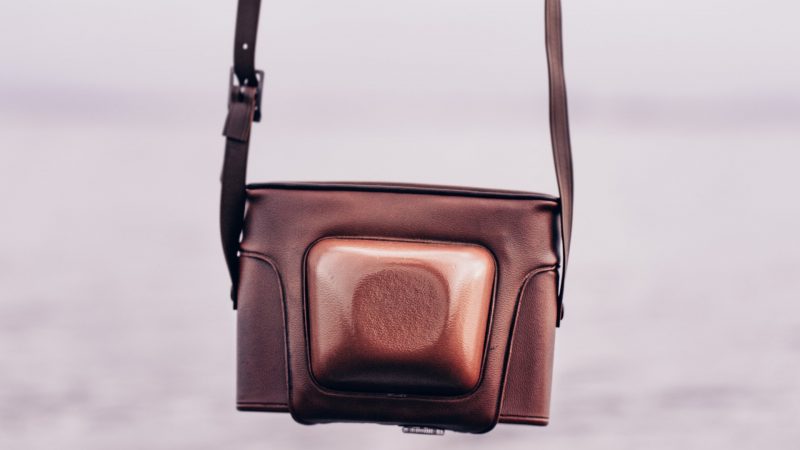
1. Aquapac Stormproof DSLR Camera Pouch — Best for Wet & Rugged Conditions
No products found.
If you shoot outdoors and want to protect a DSLR without spending a fortune, the Aquapac Stormproof is the standout pick. Despite the compact name, it holds a full-size body such as the Canon EOS 80D, and its roll-down closure seals to the IPX6 standard — meaning it shrugs off heavy rain and splashing, not just a light drizzle.
- Dimensions: 12 cm × 9 cm × 5 cm
- Weight: ~150 g
- Maximum camera size: Up to 14 cm wide DSLR
- Material: 420D PU-coated nylon with welded seams
- Price range: $45–$55
The waterproof shell and reinforced stitching make it the obvious choice for kayakers, hikers, and anyone caught shooting in bad weather. It also has room for a short lens attached, so you’re not forced to detach glass every time you pack up.
Pros
- IPX6 waterproof protection — the most weatherproof pouch here
- Compact yet roomy enough for a full DSLR
- 5-year warranty and welded, rust-free seams
Cons
- Roll-down seal is slower to open than a zipper
- Minimal internal organization beyond the main compartment
Check the current price on Amazon
2. OP/TECH USA Soft Pouch Digital DSLR ZOOM — Best for Stretch & Value
No products found.
This budget-friendly neoprene pouch comfortably holds a DSLR such as the Nikon D5600. The stretchy material is forgiving with slightly larger bodies, which is why it’s our top value pick for “bigger” cameras on a tight budget.
- Dimensions: 13 cm × 10 cm × 5 cm
- Weight: ~180 g
- Maximum camera size: Up to 15 cm wide DSLR
- Material: Stretch neoprene
- Price range: $35–$45
A detachable retaining strap loops around a lens barrel or tripod, so you can keep the pouch attached and out of the way while you shoot. The neoprene stretches to fit larger lenses too, though heavy stretching will tire the material over time. The adjustable strap lets you open it one-handed and start shooting right away.
Pros
- Lowest price-to-protection ratio on the list
- Stretch neoprene fits a wide range of camera sizes
- Clever retaining strap keeps it tethered while you shoot
Cons
- Neoprene can wear with heavy, repeated stretching
- Less premium feel than a hard-shell case
Check the current price on Amazon
3. Lowepro Dashpoint 30 Camera Pouch — Best for Lightweight Everyday Carry
No products found.
Lowepro’s Dashpoint 30 is a compact, low-cost pouch that comfortably fits a mirrorless camera such as the Sony a6400, and even a smaller DSLR. It skips lens compartments but adds a handy dedicated pocket for an SD card — the only pouch here that does.
- Dimensions: 11 cm × 8 cm × 4 cm
- Weight: ~120 g
- Maximum camera size: Up to 13 cm wide mirrorless / compact DSLR
- Material: Lightweight polyester
- Price range: $30–$40
The Dashpoint line comes in three sizes (10, 20, 30); the 30 hits the best balance of capacity and portability. Its SlipLock attachment slides straight onto a belt or bag strap, so it’s the one to grab when you just want your camera on your hip and nothing weighing you down.
Pros
- Lightest and most pocketable pick at ~120 g
- Affordable, with a built-in SD memory-card pocket
- SlipLock attachment clips to most belts and bag straps
Cons
- No dedicated lens compartment
- Build is fine for everyday use but not as rugged as the Aquapac
Check the current price on Amazon
Camera Pouch vs. Camera Bag: Which Do You Need?
This is the question that trips up most buyers, so it’s worth settling before you spend a cent. The short version: a pouch protects one camera and almost nothing else, while a bag carries a whole kit.
- Choose a camera pouch if you carry a single compact, mirrorless, or small DSLR body and want it light, low-profile, and instantly reachable on your belt. Pouches are cheaper, less conspicuous to thieves, and add almost no bulk — ideal for street, travel, and quick day trips.
- Choose a camera bag if you carry extra lenses, a flash, filters, batteries, or a tripod. Bags give you padded dividers, real organization, and more impact protection — at the cost of size and weight.
Many photographers own both: a bag for full shoots and a pouch for the days they want to travel light. If you decide you need more than a pouch, our guide on how to choose a camera bag walks you through every type.
How to Choose a Camera Pouch: What to Look For
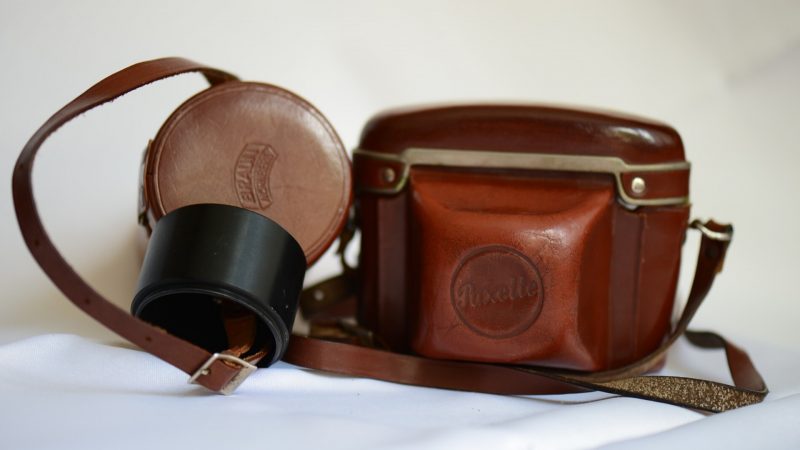
Fit and camera size
Measure your camera body (with the lens you carry most) and check it against the pouch’s internal dimensions — not just the marketing name. A pouch that’s slightly too tight will scuff your screen; one that’s too loose lets the camera knock around. The Aquapac and OP/TECH suit full DSLRs; the Dashpoint 30 is sized for mirrorless and compact bodies.
Accessibility
How fast can you get the camera out? The OP/TECH’s stretch opening and the Lowepro’s wide-mouth zipper are quickest for grab-and-shoot, while the Aquapac’s waterproof roll-down seal trades a few seconds of speed for far better protection.
Weather and build protection
Materials run from waterproof coated nylon (Aquapac) to stretch neoprene (OP/TECH) and lightweight polyester (Lowepro). If you shoot near water, dust, or unpredictable weather, prioritize a sealed, water-resistant pouch — the Aquapac is the clear winner here.
Extra compartments
Most pouches stay minimal. Only the Lowepro Dashpoint 30 includes an internal SD-card pocket. If you need room for spare batteries or a phone, plan on a separate utility pouch or step up to a small bag.
Strap and attachment
A sturdy, adjustable strap or belt loop keeps the pouch comfortable and secure. The OP/TECH’s detachable retaining strap is the most versatile, the Aquapac’s fixed loop is the most rugged, and the Lowepro’s SlipLock clip is the easiest to attach and remove.
Related: 6 Best Photography Camera Holsters to Buy
Frequently Asked Questions
What is a camera pouch used for?
A camera pouch is a small, soft case that protects a single camera body — usually a compact, mirrorless, or small DSLR — from scratches, dust, and minor bumps. It typically clips to a belt or bag strap so the camera stays light, low-profile, and quick to reach. It is not meant to carry a full kit of lenses and accessories; that’s a job for a camera bag.
Can a camera pouch hold a DSLR?
Yes — some can. A larger pouch like the Aquapac Stormproof or OP/TECH Soft Pouch fits a full-size DSLR such as a Canon EOS 80D or Nikon D5600, usually with a short kit lens attached. A long telephoto lens, though, won’t fit; for that you need a camera bag with a dedicated lens compartment.
Are camera pouches waterproof?
Only some are. Most pouches are water-resistant at best and rely on the fabric to shed light moisture. If you need true waterproofing for rain, kayaking, or beach shoots, choose a pouch with a sealed closure and a rated standard — the Aquapac Stormproof, for example, seals to IPX6.
How do I know what size camera pouch to buy?
Measure your camera body’s length, width, and height with the lens you carry most attached, then compare those numbers to the pouch’s internal dimensions rather than its name. Aim for a snug-but-not-tight fit so the camera is held securely without pressing on the screen or controls.
For photographers who only need to carry a camera body and a couple of small accessories, a pouch is a smart, lightweight solution — and the three above cover the main use cases between them. If you find you need more room, our in-depth guide on how to choose a camera bag will help you pick the right type for your gear.
Related: 4 Best Photography Camera Waist Belts for Photographers to Buy